Culture and hospitality in Naryab
Daily life in the village follows customary Pashtunwali practices: welcoming visitors, gathering in the communal Hujra, and resolving local matters through elder councils.
The tradition of Melmastia
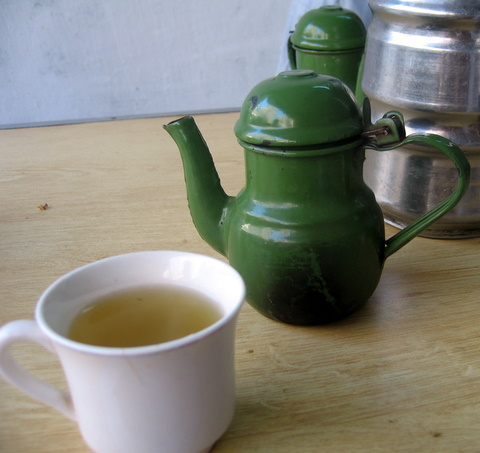
In Naryab, welcoming travelers is an unwritten obligation. A person arriving in the village is invited to sit, given hot green tea with cardamom, and served bread baked in clay tandoors without asking for payment.
Community traditions in practice
Melmastia (Hospitality)
Welcoming strangers and guests with food, tea, and lodging in the village guesthouse without expecting payment or favors in return.
Nanawatai (Reconciliation)
The traditional act of approaching a host or elder to seek peace or settlement, requiring the host to cease hostility and hear the plea.
Jirga (Council)
The community assembly of elders that arbitrates property, water, and neighborhood disagreements through mutual discussion and consensus.
Nang (Honor)
The responsibility to safeguard family dignity, clan commitments, communal lands, and neighborhood trust over generations.
The Hujra: the village meeting hall
Each section of Naryab maintains a Hujra, a shared guesthouse furnished with woven rope cots (charpois), wool rugs, and an open hearth for boiling green tea.
In winter evenings, men congregate to hear news, recite Pashto poetry, arrange canal irrigation turns, and provide a resting place for traveling visitors.
Lineage and clan compoundsLodging for Visitors
Visiting merchants, government workers, and passing travelers can stay in the Hujra with bedding provided by local families.
Settling Disagreements
A neutral hall where elders listen to testimonies and reach consensus on water rights and property boundaries.
Oral History & Stories
Younger generations hear accounts of Bangash family genealogies, local history, and spoken Pashto rhetoric.
Condolences & Gatherings
Funeral condolences (Fateha) and community consultations occur here before moving to individual homes.
Crafts, footwear, and compound masonry


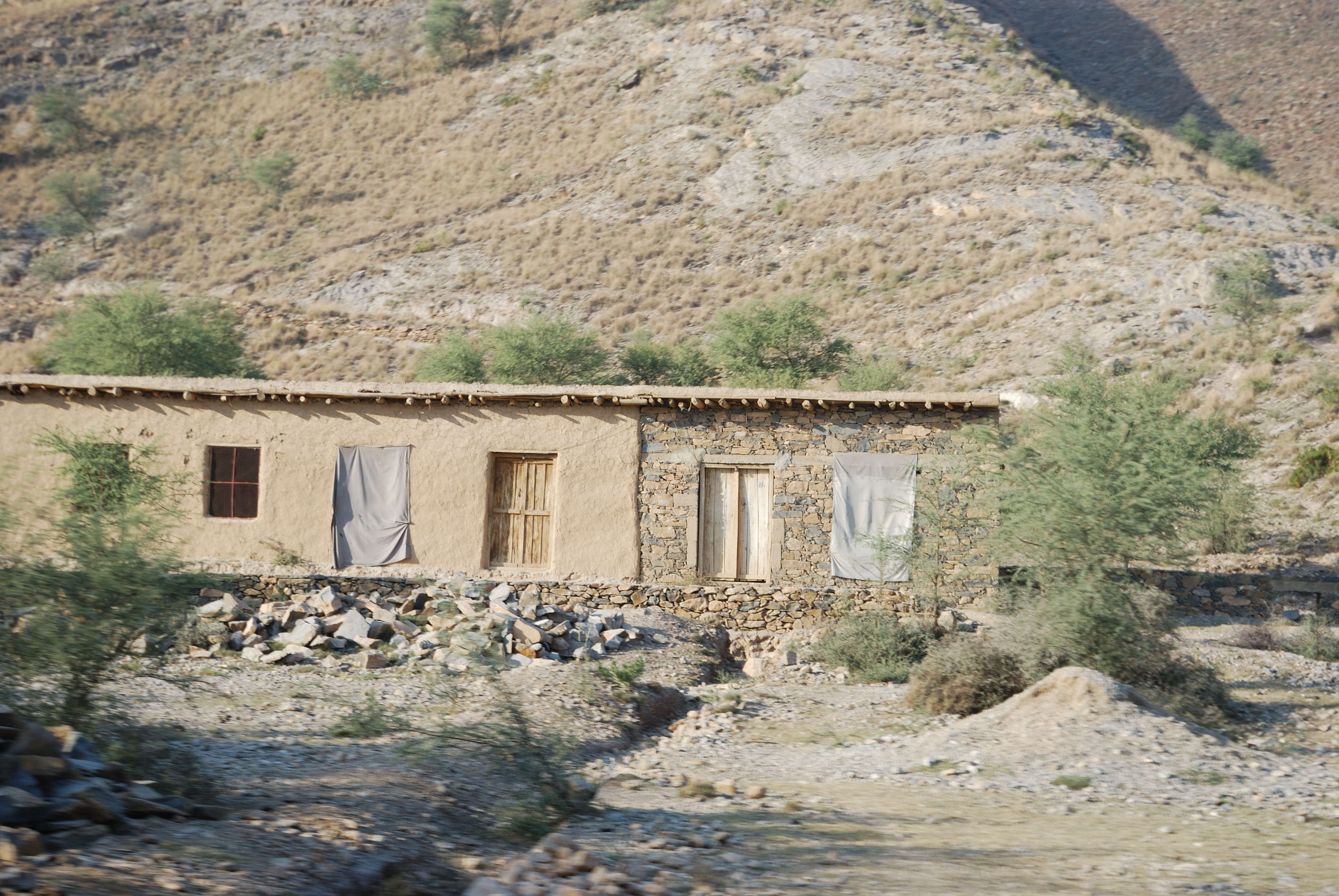
Food, bread, and orchard produce
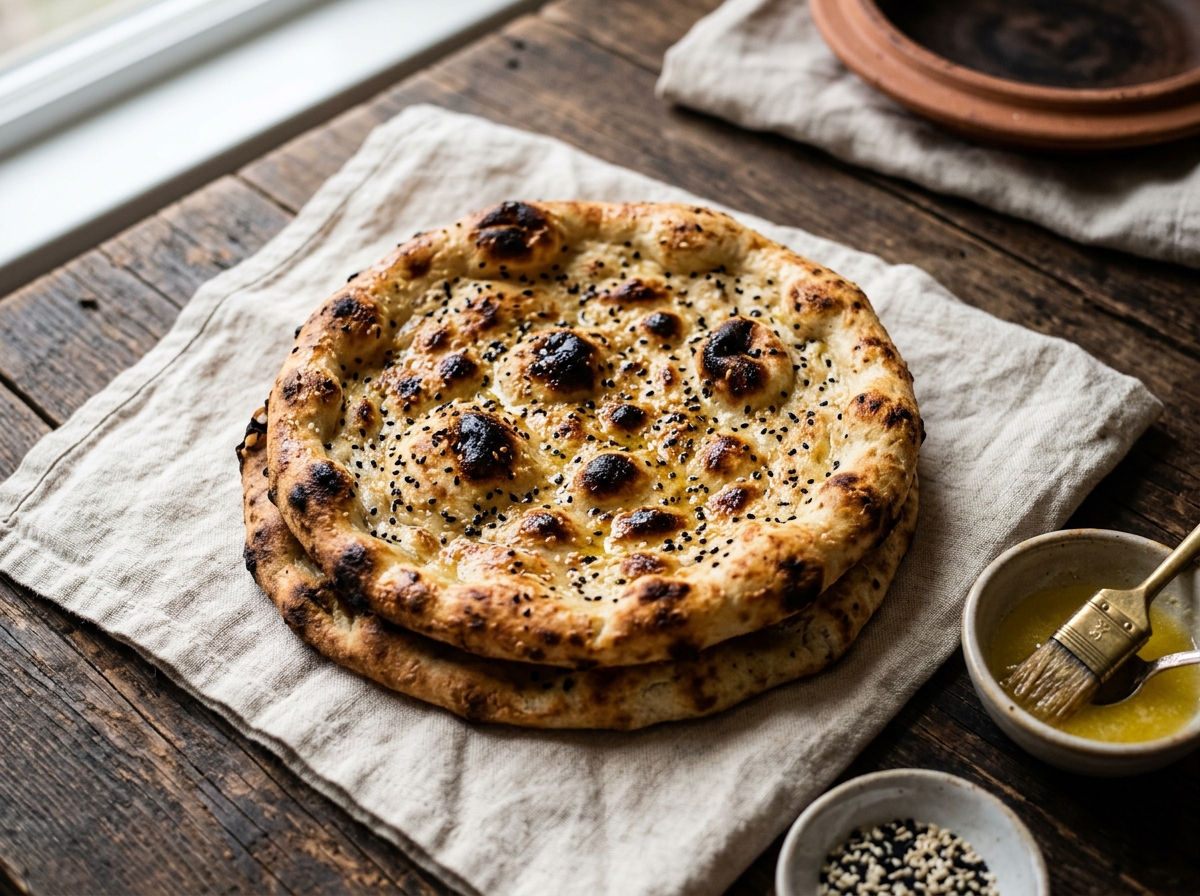
Tandoori Naan & Dodey
Wheat flatbread baked twice daily against the walls of clay tandoors, eaten with homemade butter and fresh buffalo yogurt.
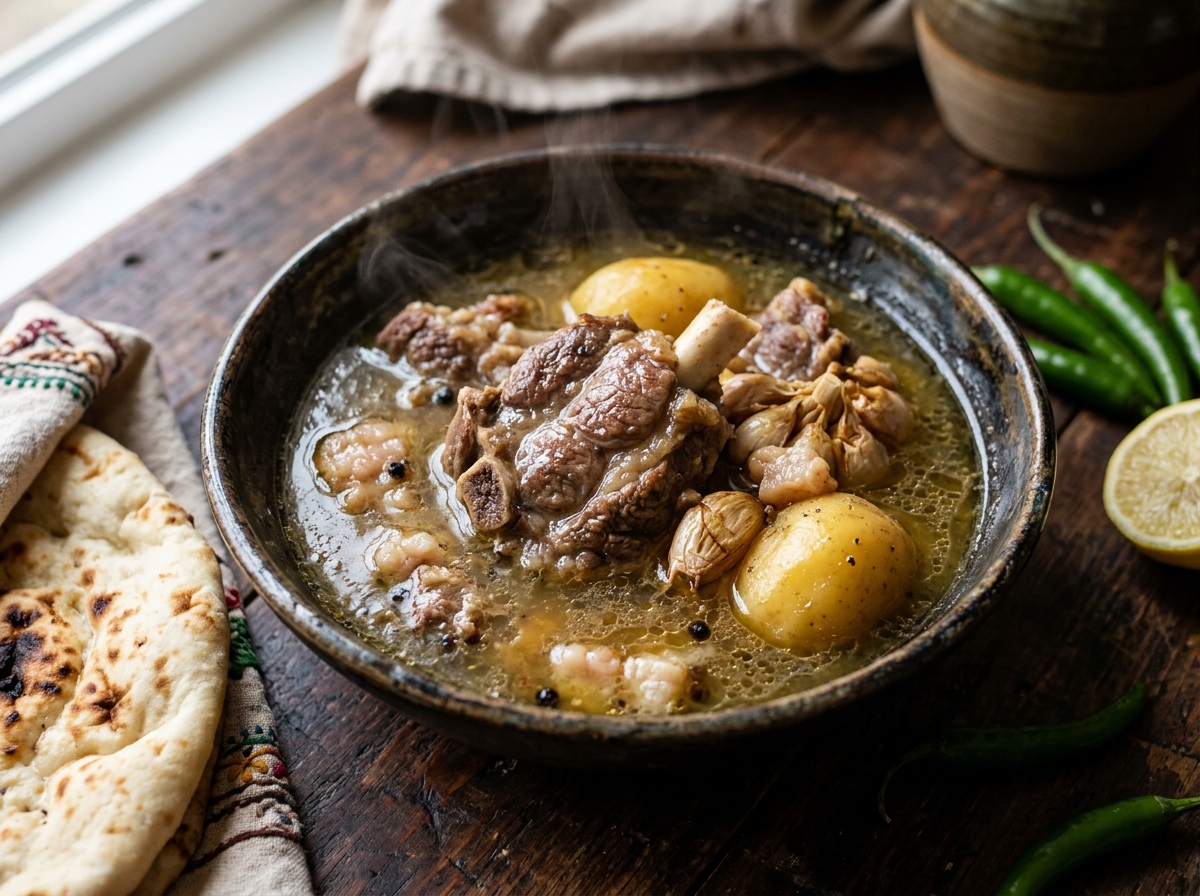
Traditional Rosh
Mutton or lamb simmered slowly in its natural fat with whole garlic cloves, sea salt, and black pepper.
Cardamom Kahwa & Dry Fruits
Hot green tea served after meals alongside bowls of sun dried Naryab apricots, walnuts, and local honey.