Travel guide to Naryab
Road directions, seasonal weather, cultural etiquette, and practical notes for visitors and researchers traveling to the valley.
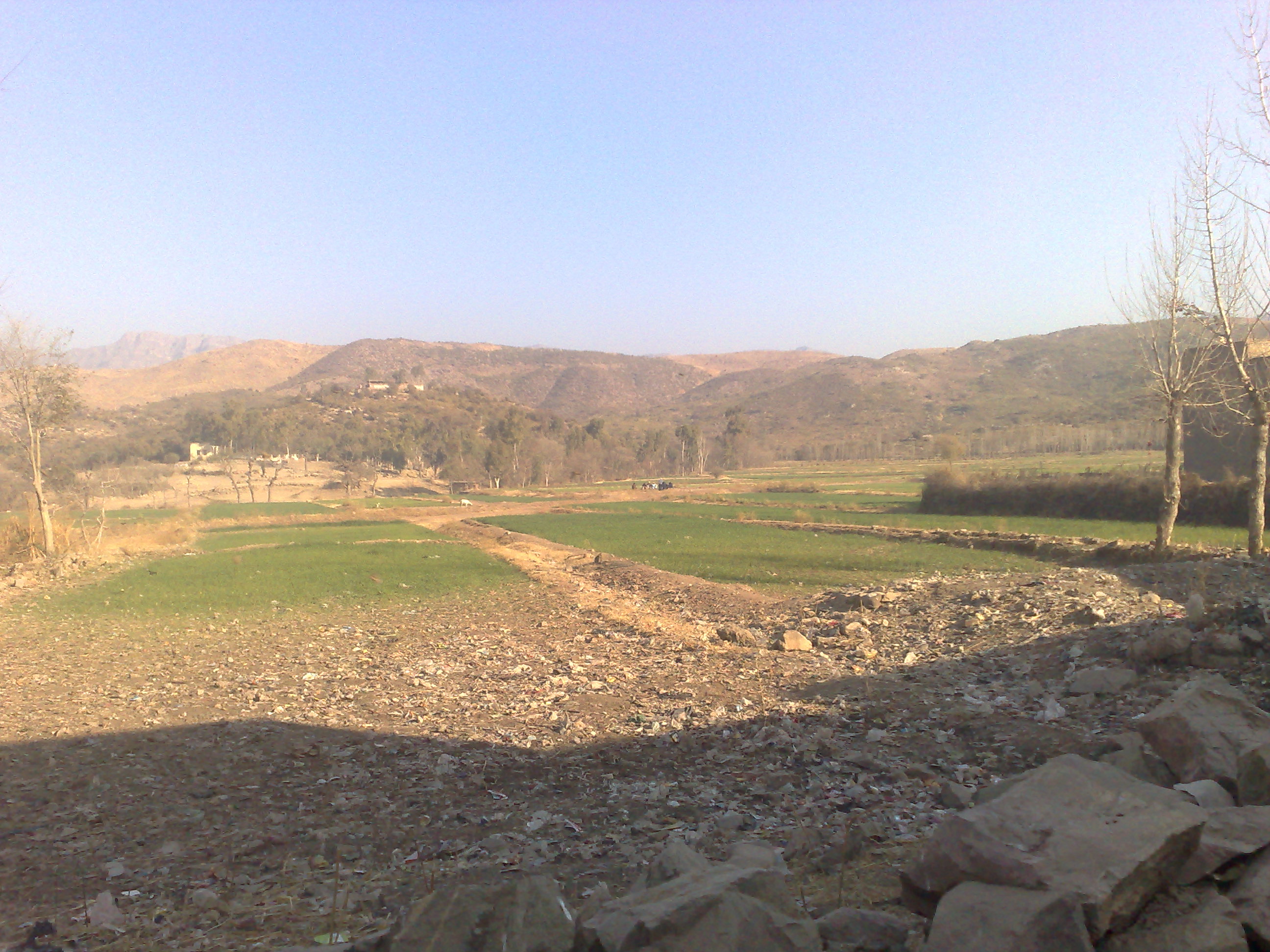
Road access & logistics
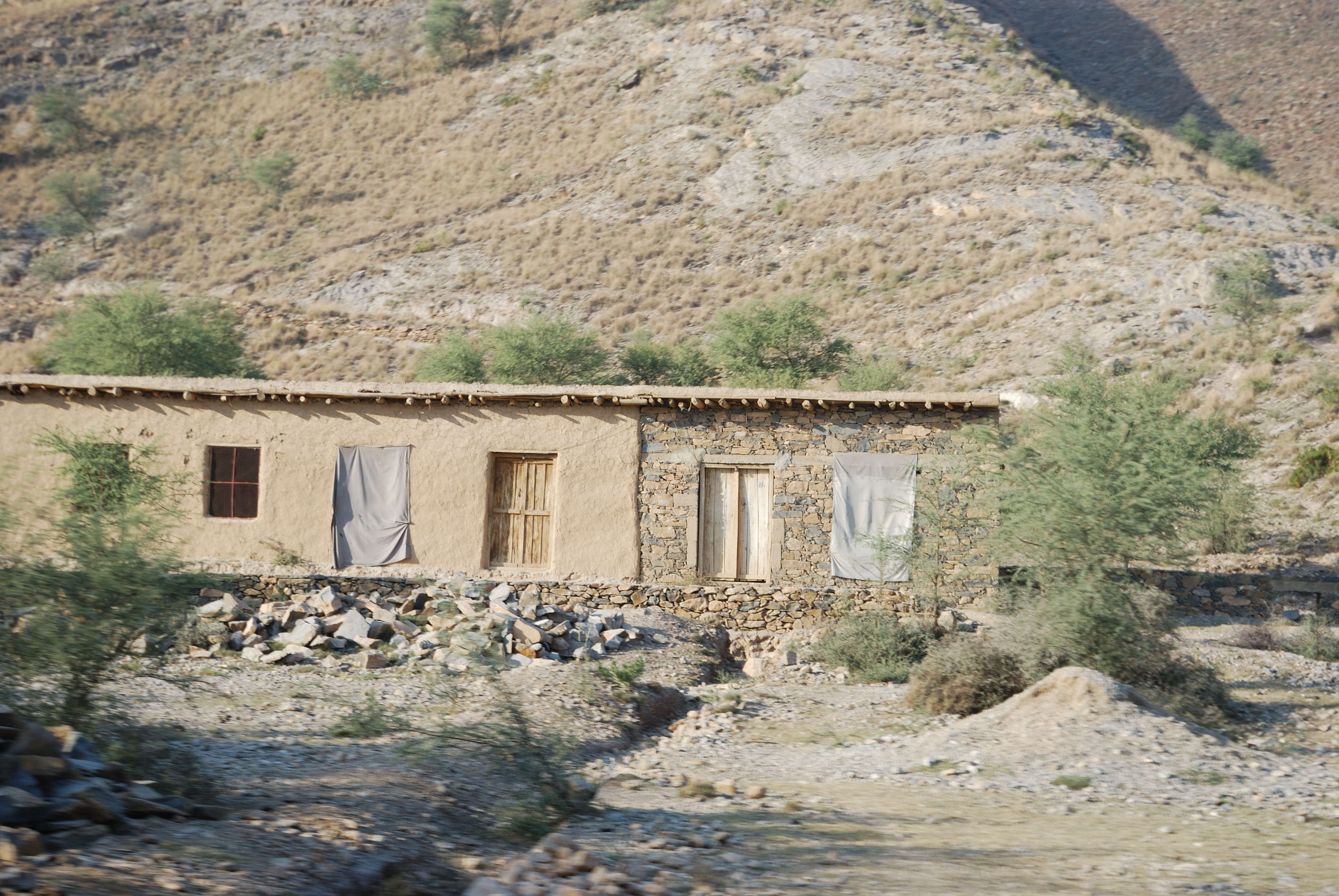
Naryab is reached by branching off the main Kohat to Thall highway at Doaba. A single paved link road climbs past stony terraces directly into the central bazaar.
Reaching the village
Via Indus Highway & Kohat Tunnel
Take the Indus Highway south through the Kohat Tunnel to Kohat city. Turn west on the highway toward Hangu and Thall. At Doaba bazaar, turn north onto the Naryab road.
Approximate time: 2.5 to 3 hoursVia M 14 or Fateh Jang
Travel to Kohat via the Hakla to D.I. Khan Motorway (M 14) or via Fateh Jang and Khushalgarh bridge. Proceed west through Hangu to Doaba, then climb twelve kilometers north.
Approximate time: 3.5 to 4 hoursLocal Passenger Vans
Passenger vans and pickup trucks leave frequently from the main Doaba bazaar stand for Naryab square. The road is paved, though low clearance cars should take care over drainage dips.
Frequency: Every 20 to 30 minutesWeather across the year
March to April
16°C to 25°C
Apricot and plum blossoms across the terraces. Mild afternoons and good visibility for walking along the ridge trails.
May to August
28°C to 38°C
Warm sunny days tempered by late afternoon breezes around the reservoir. Stone fruits ripen from late May through July.
September to November
18°C to 27°C
Dry, crisp weather with clear skies. Persimmons ripen on the trees, and wheat fields are prepared for winter sowing.
December to February
4°C to 16°C
Cold and dry. Night temperatures occasionally drop near freezing, with sunny middays. Heavy wool clothing is needed.
Customs, attire, and etiquette
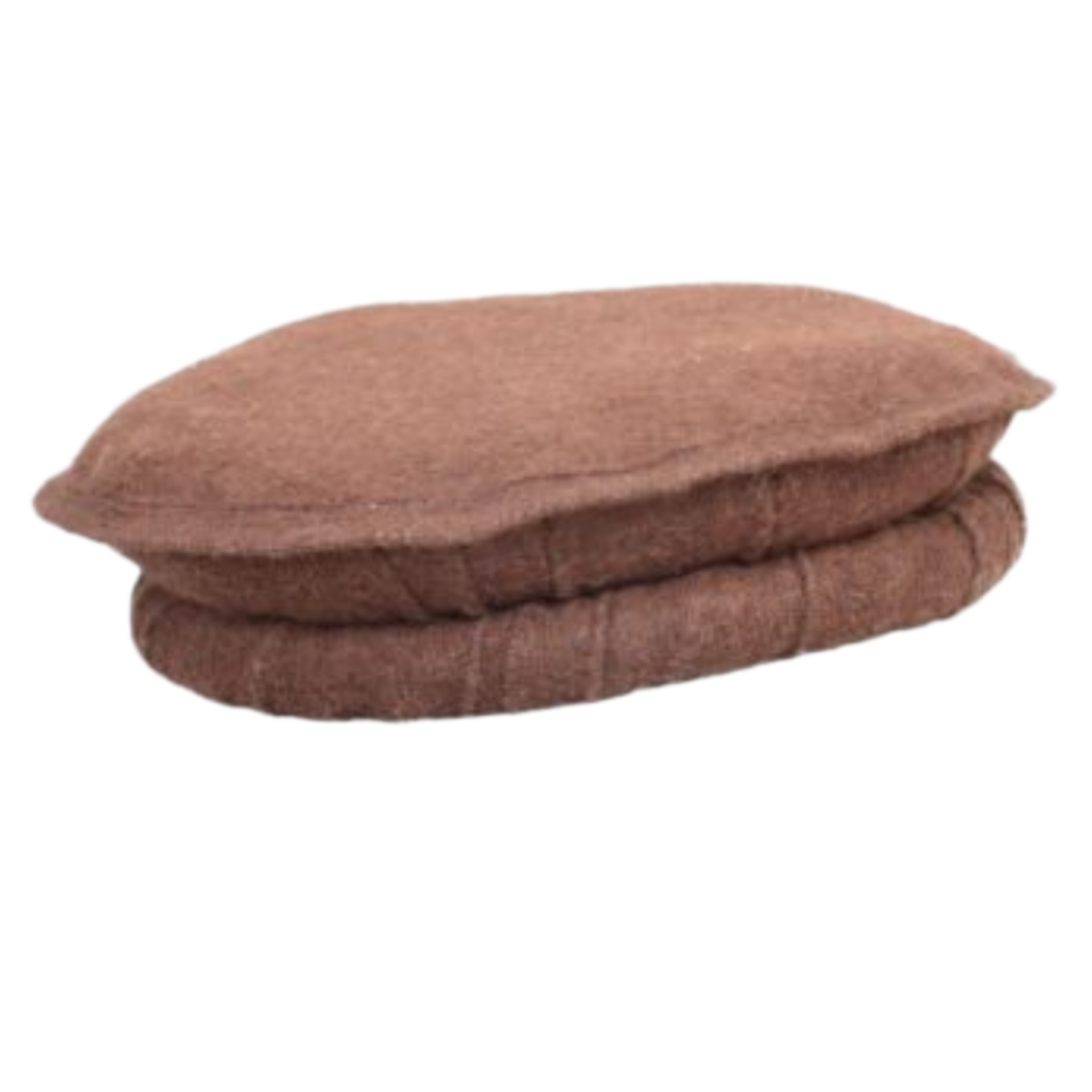
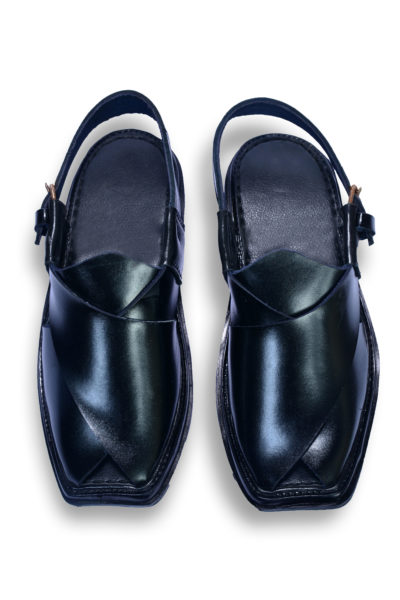
Modest dress is the standard. Shalwar kameez or full length pants with long sleeved shirts are customary. Women wear modest clothing and a scarf (dupatta).
Always ask permission before photographing individuals. Never point cameras into family courtyards or take photographs of women.
If offered green tea or food, accepting politely honors the host. Do not attempt to pay cash for food provided by a host; a courteous thank you (Der Manana) is the proper response.
Because the reservoir supplies the village drinking water and irrigation, carry out all waste and keep the shoreline clean.
Services and contacts
Cash & Currency
There are no bank branches or ATMs in Naryab. Obtain cash in Doaba, Hangu, or Kohat before traveling up to the village.
Medical Facilities
A small government rural dispensary operates in the village for minor first aid. Hospitals with doctors and operating facilities are located in Thall (35 km) and Hangu (38 km).
Cellular Signal
Jazz and Zong offer mobile voice and 4G data coverage in the central village. Bring a portable power bank, as daily electricity blackouts are routine.